
Families, events and Plan B
When the weather changes the day
Distinguish a passing shower from swell, sargassum or an official warning, find the relevant local forecasts, and choose an alternative that solves the actual problem.
Read5 min
ForChief stew · Purser · Travel adviser
Reviewed9 September 2026
On this page
A beach day can fail under a clear sky, while a brief shower may barely interrupt a town visit. Rain, sea conditions and access affect different parts of an outing. A useful second plan starts by identifying which part has become unsuitable, then preserves the rest of what the guests wanted to enjoy.
Read the hazard rather than the weather icon
A general forecast helps describe the day, but its rain symbol cannot decide a tender landing or a swimming session. Swell can reach the coast from weather farther away, while local wind changes the experience on exposed water. A sunny forecast does not remove the need for the captain and operator to assess the actual activity and landing.
Use the Meteorological Department St. Maarten’s public forecast and advisories for Dutch-side planning. For Saint-Martin, consult Météo-France’s vigilance information for Saint-Martin and Saint-Barthélemy. Read the issue time, area and stated hazard. A warning for heavy rain, for example, raises different access questions from a marine warning.
Showers and heavier weather
When the issue is a brief shower, a later walk or a covered table may preserve the day. The replacement needs to cover the transfer too: a dry restaurant does not help much if guests wait outside for a vehicle. Keep the pickup close enough for the party’s mobility and belongings.
Amuseum Naturalis has outdoor exhibits; other attractions involve exposed paths or a chairlift. For a sheltered outing, check both the activity itself and the route from the vehicle.
Heavy rain, flooding, thunderstorms or official movement restrictions require a different response. Follow the relevant authority and captain’s instructions before offering another excursion. If travel itself is the problem, the answer may be to remain aboard or at an agreed place rather than drive to a different attraction.
An alternative ashore
A party that wanted a long coastal lunch may still enjoy the meal with different seating. A party that wanted to learn a watersport may prefer another coached activity or a different day. Those alternatives answer different needs; one generic shopping route will not suit both.
A pool is not an automatic substitute during thunderstorms, nor is a different boat trip automatically suitable when sea conditions stop the first. The replacement should remove the actual constraint. The beach guide and activity guide help identify what can be retained.
Check sargassum separately from the ordinary forecast
Sargassum is floating seaweed that can accumulate along the shore. Météo-France’s northern-islands bulletin combines regional observations and forecasts relevant to Saint-Martin and Saint-Barthélemy. It is a different source from the daily rain forecast and can help the shore team identify a coast that needs closer checking.
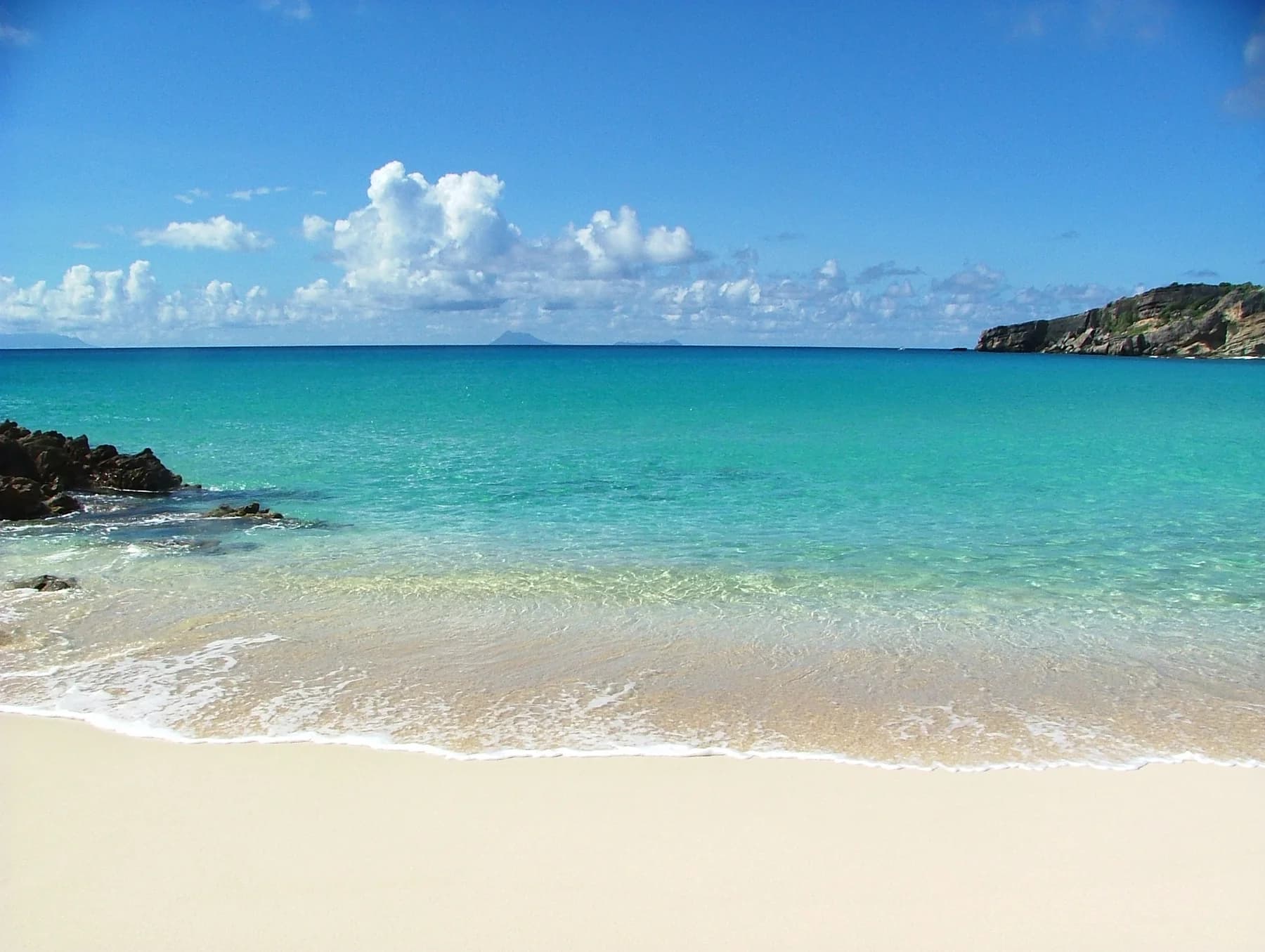
The final decision still depends on the chosen location. A venue can report on its beach frontage and access that day. If conditions spoil the intended swimming or comfort, a meal away from the affected beach may preserve more of the visit than travelling to another unconfirmed coast.
When to change the booking
Agree who decides whether the original activity proceeds, when that decision is needed and what happens to the booking if it does not. A captain’s decision, an operator cancellation and a guest preference change may be treated differently under the reservation terms. Resolve that distinction before paying for a second activity.
Once the alternative is agreed, update the driver, venue and yacht together. Guests need the revised departure point, clothing and timing, not the history of every discarded option. The Atlantic hurricane season runs from 1 June to 30 November, but those dates describe a seasonal pattern rather than conditions for a particular outing. Current warnings remain the basis for the day’s decisions.
Activate the second plan cleanly
- Current issue time, area and hazard understood
- Captain and operator decisions received
- Replacement removes the original constraint
- Venue access and transport confirmed
- Cancellation responsibility and charges understood
- One revised plan shared with everyone involved
Questions that change the plan
Can we just move to another beach?
Only if the conditions and access at the replacement beach suit the party. The same swell, warning or transport problem may affect more than one location.
Is a rainy-day attraction necessarily indoors?
No. Confirm the actual setting, transfers and exposed parts of the visit. A museum or restaurant may include open-air spaces.
Does an operator cancellation mean a refund?
The agreed terms decide the financial outcome. Clarify cancellation, rescheduling and any separate transport charges before booking.
Sources
- MDS · Public forecast
- MDS · Advisories and warnings
- Météo-France · Saint-Martin vigilance
- Météo-France · Northern islands sargassum bulletin
- NOAA National Weather Service · Atlantic hurricane season and hazards
- Amuseum Naturalis · Outdoor exhibit information
Sources checked 9 September 2026.
Related guidance
Your yacht. One agency.
Keep a second plan ready
Include the original plan, the guests’ priority and the decision deadline. Send your request to Sea Grapes to discuss arrangements.